
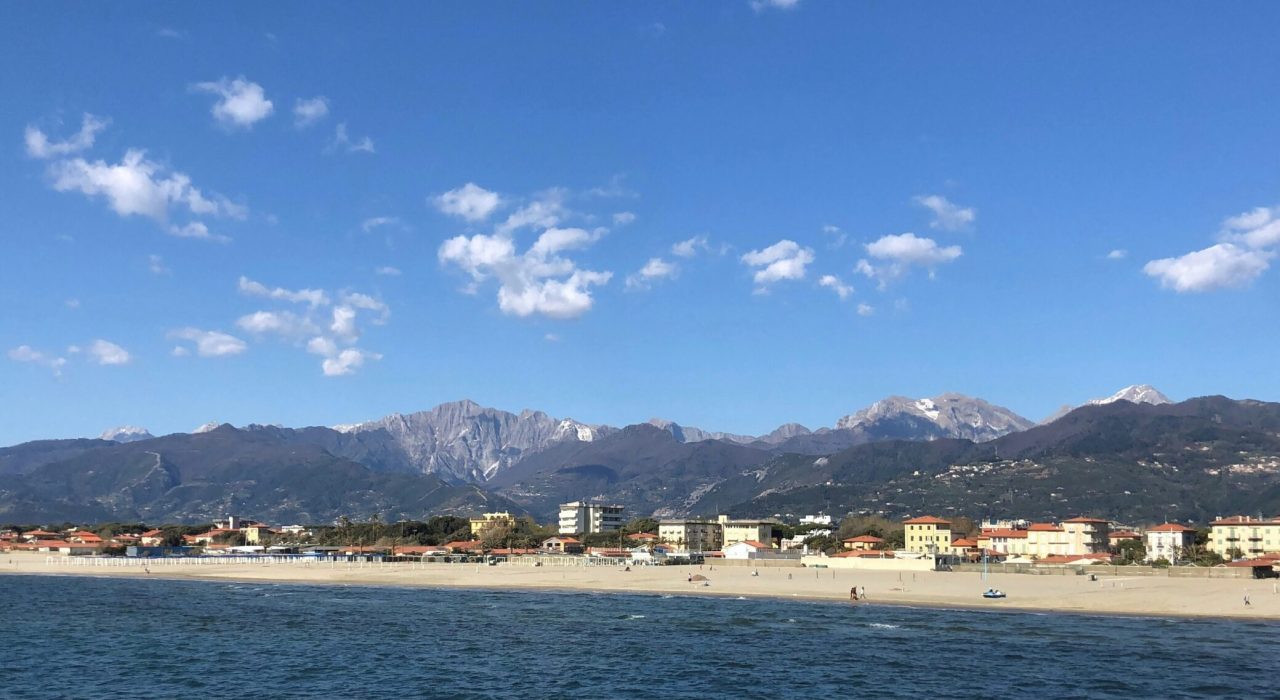
Why this corner of Versilia remains a favourite with Milanese holidaymakers – and how to choose the right hotels in Forte dei Marmi.
You may be wondering what hotels in Forte dei Marmi are doing on a blog devoted to Milan. The answer is simple: sometimes Milanese people leave the city. And when they do, Versilia has long been one of their favourite seaside escapes — for a weekend, a week, or considerably longer if life is being particularly kind. Forte dei Marmi, in particular, has attracted generations of Italian holidaymakers, including plenty from Milan, alongside artists, entrepreneurs and an international crowd.
And while July and August remain the classic months, there is a lot to be said for arriving when the summer frenzy begins to subside. Late summer and early autumn can be perfect for enjoying the beach, cycling along the coast, wandering around town, exploring nearby Pietrasanta or heading towards the Apuan Alps — in other words, doing all the things that are much easier when you are not competing with half of northern Italy for the same square metre of Tuscany. Official tourism sources promote the area for cycling, walking, sport, art and nature well beyond the height of the beach season.
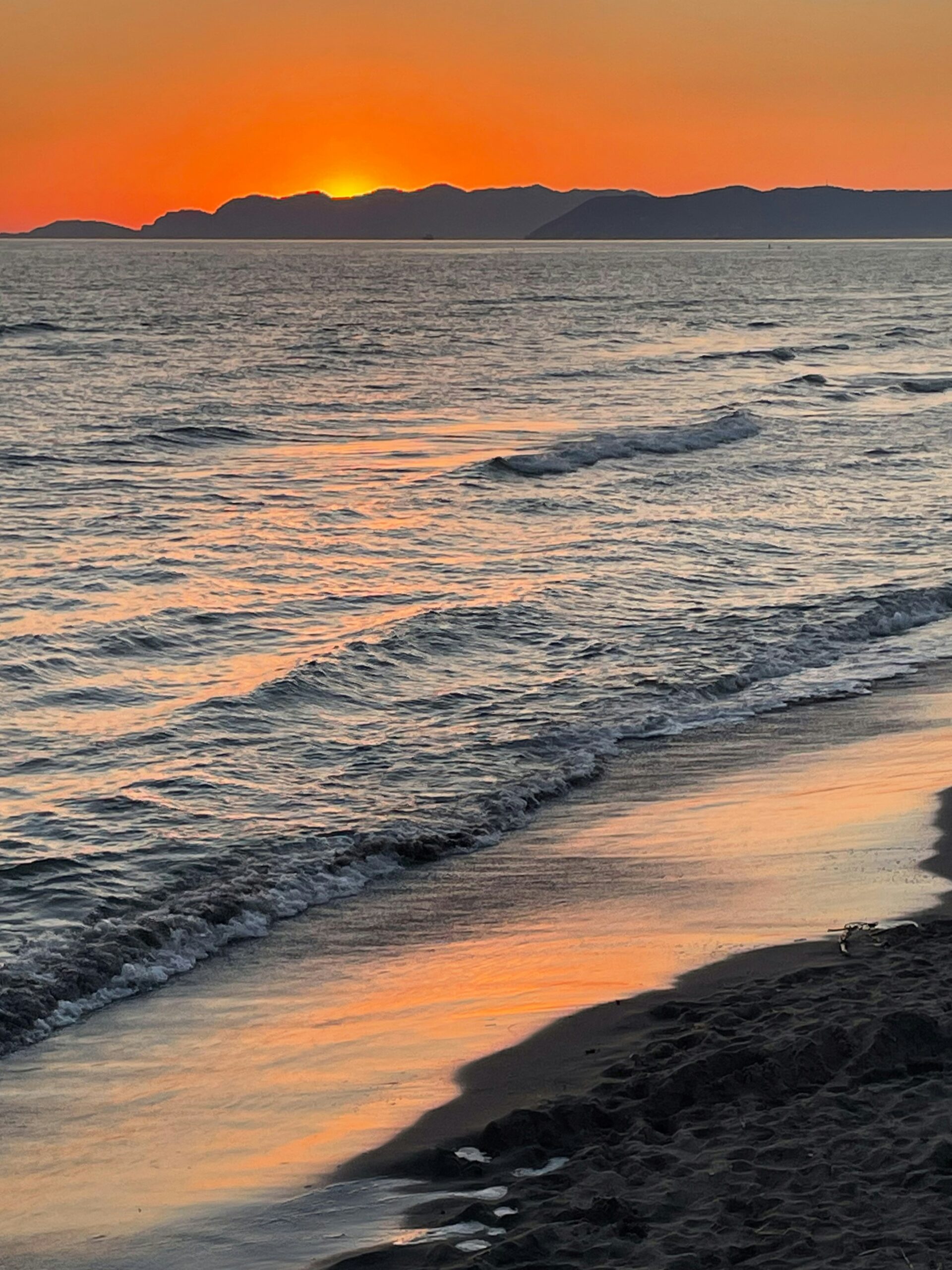
Versilia: much more than a beach holiday
Versilia occupies a stretch of northern Tuscany where long sandy beaches sit beneath the dramatic outline of the Apuan Alps. The area includes some of Tuscany’s best-known seaside destinations, such as Forte dei Marmi and Viareggio, but also art towns, villages and natural landscapes inland.
That combination is precisely what makes it so easy to spend more than a weekend here.
You can have breakfast by the sea, spend the afternoon looking at contemporary sculpture in Pietrasanta and, on another day, exchange your beach bag for walking shoes and head towards the mountains.
Or you can, of course, do absolutely none of those things and remain horizontal under a beach umbrella. Also a perfectly legitimate cultural activity.
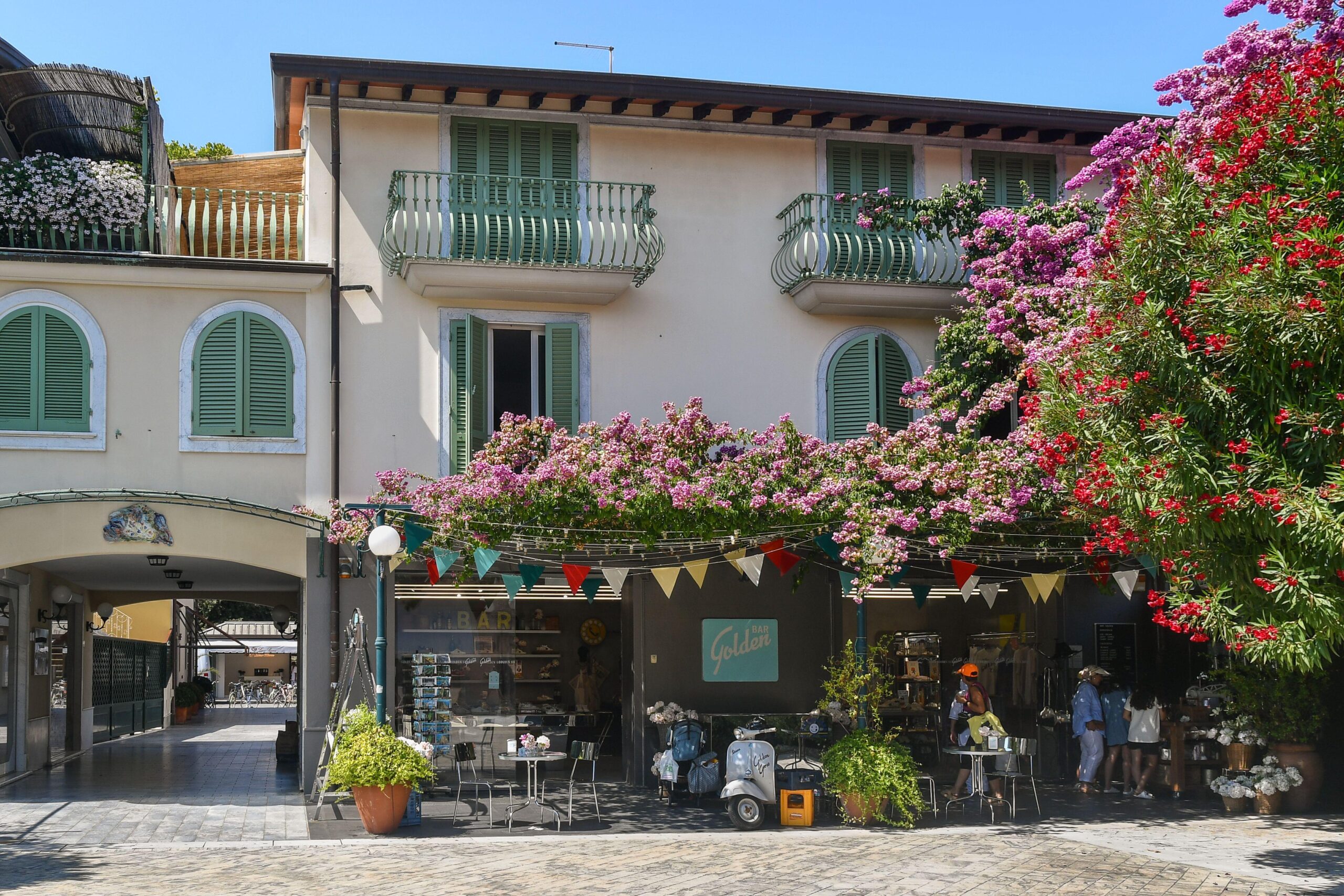
Forte dei Marmi: understated glamour, bicycles and stunning views
Forte dei Marmi is probably Versilia’s most famous address.
Its identity is an unusual mixture of polished and relaxed: elegant villas hidden behind greenery, sandy beaches lined with historic bathing establishments, designer boutiques, cafés, bicycles everywhere and the Apuan Alps appearing almost improbably behind the town. Official tourism material describes cycling, the famous market, the beach, shopping and evening walks as part of everyday life at the Forte.
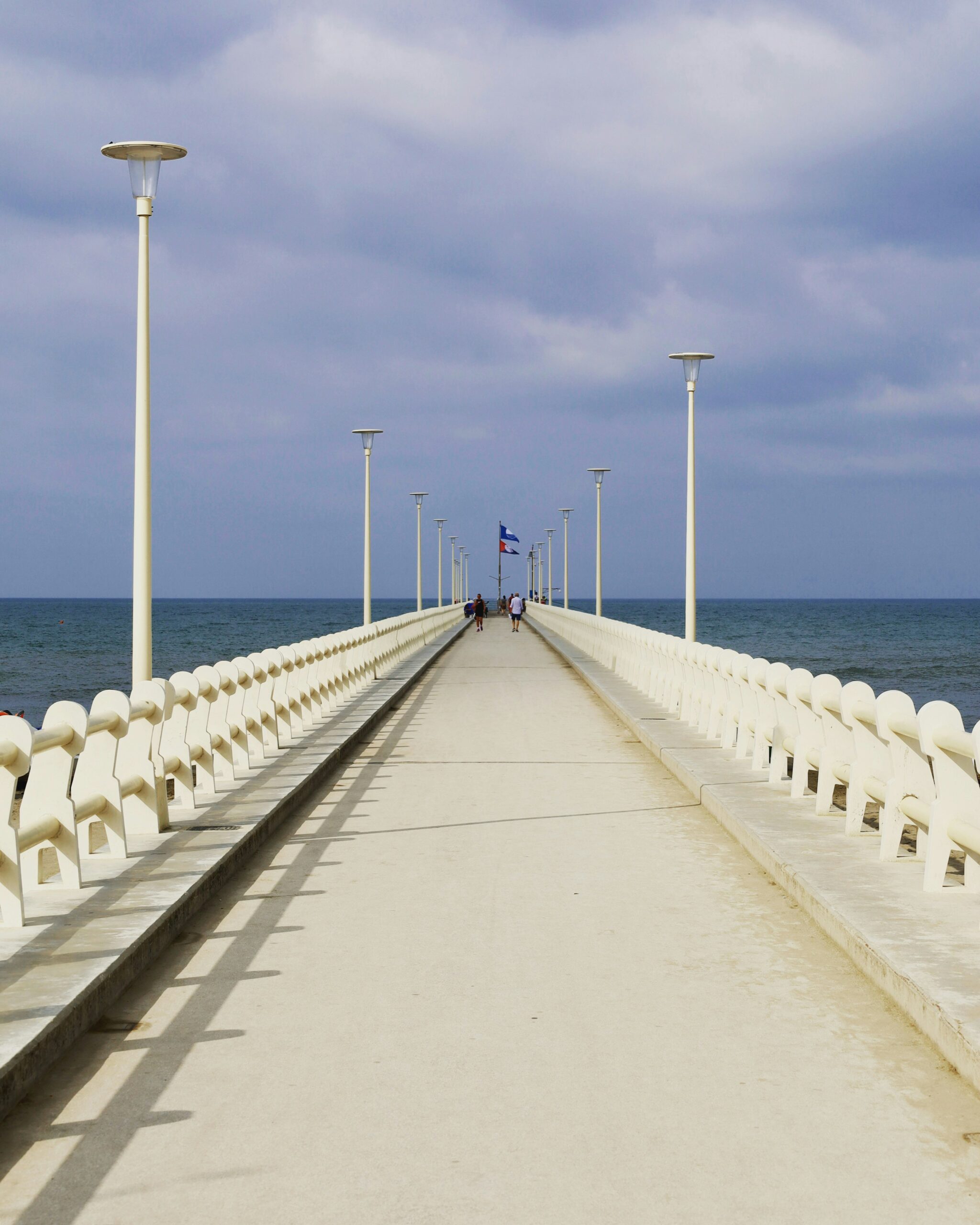
The town itself developed around the marble trade. Its name refers to the fortress — the Forte Lorenese — and to the marble that was transported from the Apuan Alps towards the coast before being shipped elsewhere. The fort still stands in the centre of town, while the pier offers views back towards the mountains as well as out to sea.
Today, however, people are considerably more likely to arrive in search of a beach club reservation than a block of marble.
The centre is compact and made for wandering, particularly around Piazza Garibaldi and the surrounding shopping streets. And because Forte dei Marmi has embraced the bicycle with unusual enthusiasm, getting around on two wheels is part of the experience rather than simply a means of transport.
How to get from Milan to Forte dei Marmi
By car
Driving is probably the most flexible option, particularly if you intend to explore the wider Versilia area during your stay.
The motorway journey from Milan heads south towards Parma before crossing the Apennines via the A15 and continuing towards the coast, where the A12 serves the Versilia area. Journey time varies significantly with traffic — and anyone who has attempted to leave Milan for the seaside on a summer Friday needs no further explanation of that sentence — so checking live traffic conditions before departure is highly advisable. Route planners such as ViaMichelin provide updated journey times, tolls and fuel estimates.
Having a car also makes excursions to Pietrasanta, the inland villages and the Apuan Alps considerably easier.
By train
If you prefer to leave the car behind, the train is a convenient alternative. Most services to Forte dei Marmi–Seravezza–Querceta depart from Milano Centrale, although journey times and connections vary depending on the service you choose. The trip usually takes around four hours, and some routes require a change of train, so it’s always worth checking the latest timetable before travelling.
Although the station bears the name Forte dei Marmi–Seravezza–Querceta, it is actually located in Querceta, around 4 km from the centre of Forte dei Marmi. From there, you can continue by taxi, local bus or, if you’re staying at one of the larger hotels, by pre-arranged transfer.
Once you arrive, however, a car becomes much less essential if your idea of a holiday involves the beach, the centre and a bicycle basket.
What to do in Forte dei Marmi and Versilia
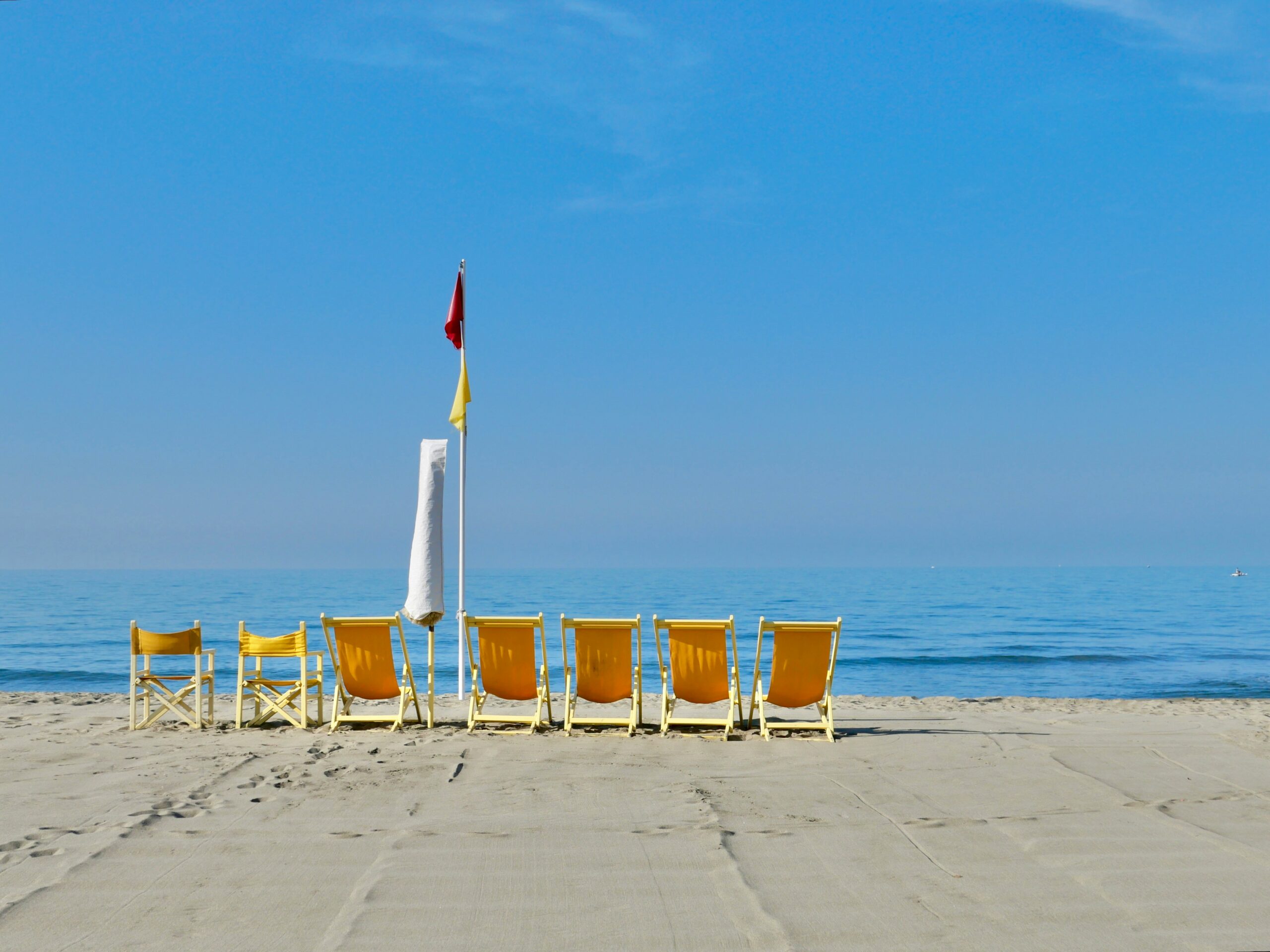
Spend a day at the beach
It would be eccentric to come to Versilia and ignore the sea entirely.
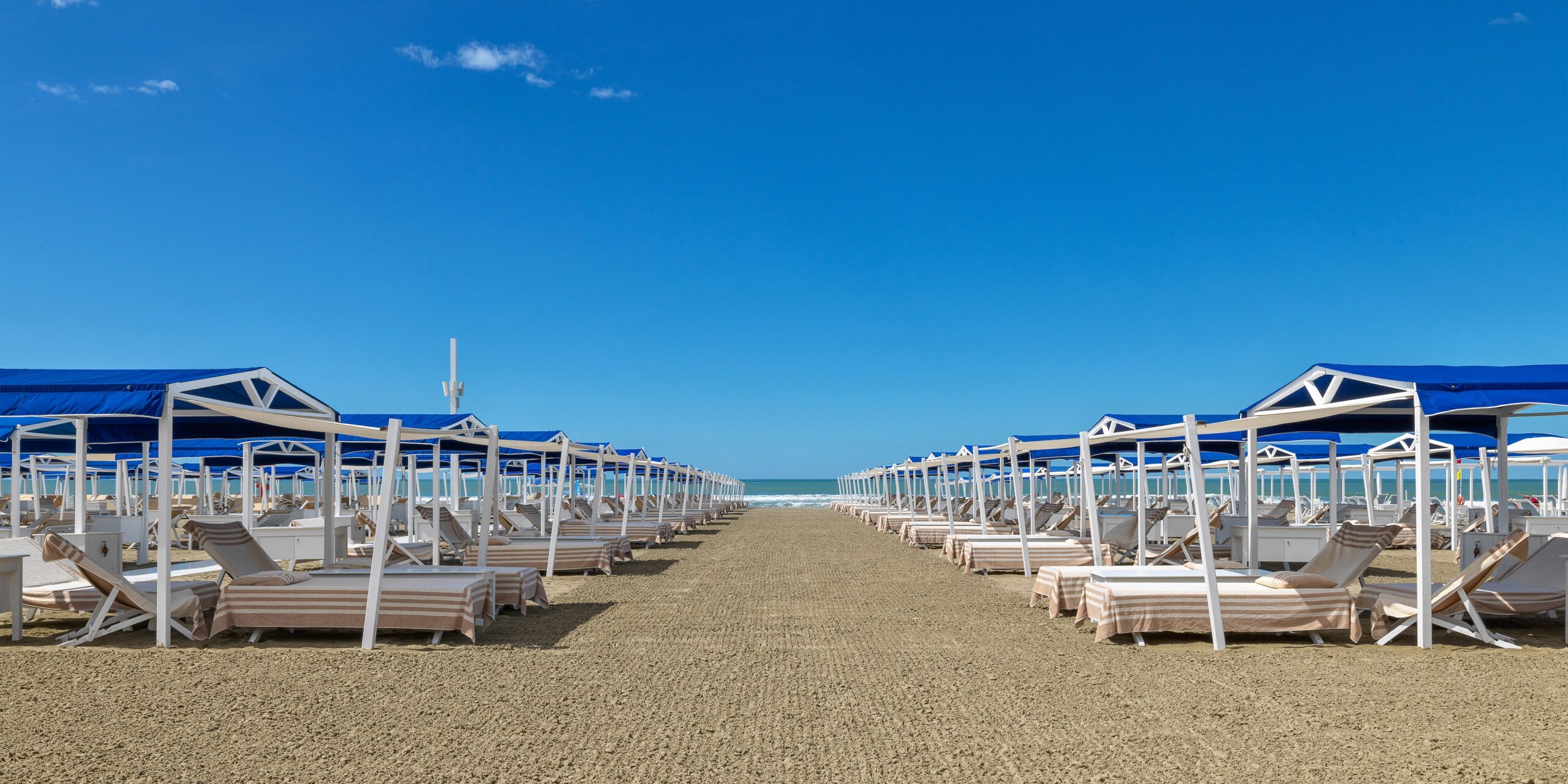
Forte dei Marmi is known for its wide sandy beach and its long-established stabilimenti balneari, where a day by the sea can involve considerably more than a sunbed and an umbrella. Many include restaurants, bars and other services, turning the beach into an all-day affair.
If you are travelling towards the end of the season, always check individual beach-club opening dates in advance.
Walk along the pier
The Pontile di Forte dei Marmi is one of the town’s landmarks and one of the simplest things to do here.
Walk to the end and turn around: on a clear day, the contrast between the sea on one side and the Apuan Alps behind the town explains much of Versilia’s appeal in a single view.
Get on a bicycle
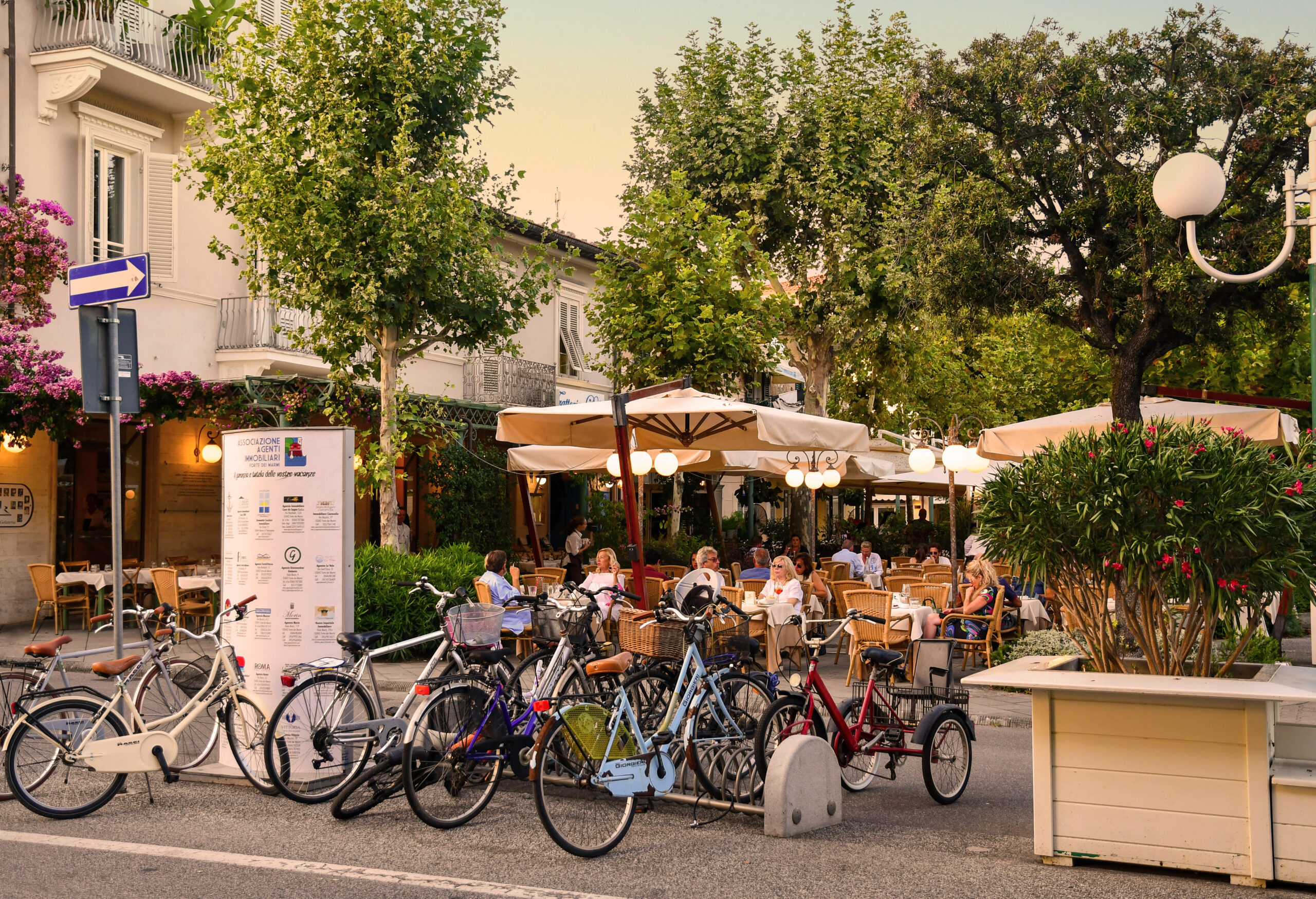
If Milan runs on espresso, Forte dei Marmi sometimes appears to run on bicycles.
The town is famously bike-friendly, and official tourism information actively encourages cycling both around Forte and along the seafront. It is one of the nicest ways to move between the centre, the beach and the residential streets without turning every short journey into a parking negotiation.
Browse the shops — and the market
Forte dei Marmi has long been associated with luxury shopping, but its retail identity goes beyond designer boutiques.
The famous weekly market in Piazza Marconi is another Forte ritual, particularly for clothing and accessories, while the streets around the centre are ideal for a slower browse followed by coffee, aperitivo or both.
Spend a few hours in Pietrasanta
If you like art, make time for Pietrasanta.
Often described as the artistic heart of Versilia, the town has a centuries-old connection with marble and sculpture and is known for galleries, workshops and works of art displayed throughout its historic centre. Its links with internationally known sculptors are part of its contemporary identity.
It is the perfect antidote to the idea that a Versilia holiday must revolve exclusively around tanning.
Explore the Apuan Alps
The mountains you see behind Forte dei Marmi are not merely decorative scenery.
The Apuan Alps offer hiking and mountain-bike possibilities, and Tuscany’s official tourism site specifically recommends the area as part of a broader Versilia itinerary.
For anyone visiting outside the hottest weeks of summer, this becomes an especially tempting alternative to spending every day on the coast.
Visit Viareggio
Further south along the coast, Viareggio offers a different version of Versilia.
Known for its seaside promenade, Art Nouveau architecture, pinewoods and strong maritime identity, it makes an easy addition to a longer stay in the area.
Hotels in Forte dei Marmi: where to stay
If you’re looking for hotels in Forte dei Marmi that combine a peaceful setting with easy access to both the beach and the town centre, the Augustus Hotel & Resort is certainly worth considering.
Founded in 1953, the five-star resort has been part of Forte dei Marmi for more than seventy years. Rather than being a single hotel building, it is spread across a large park and includes historic villas, more contemporary accommodation and private gardens, creating an atmosphere that feels more like a secluded estate than a traditional hotel.
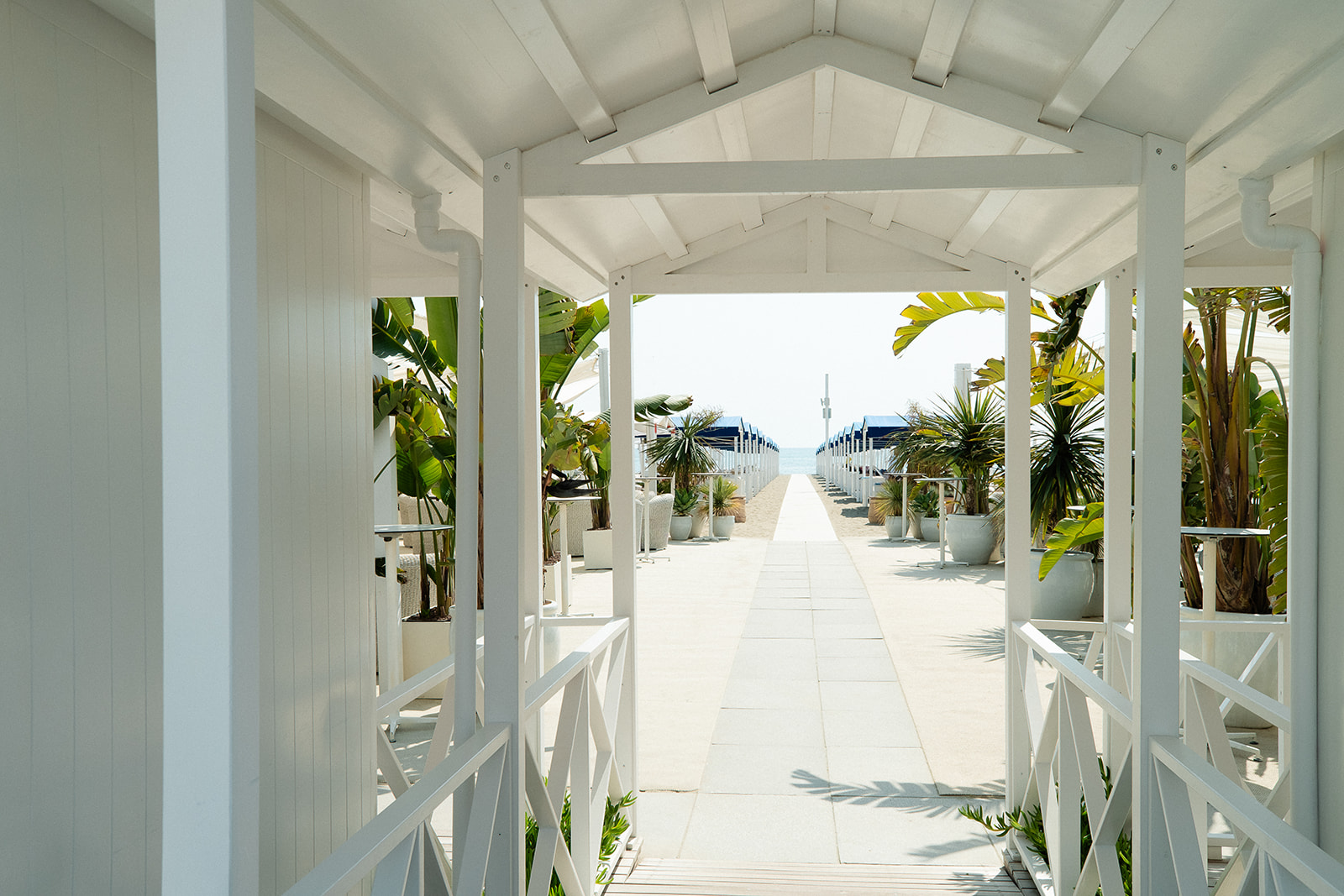
One of its distinctive features is the Augustus Beach Club, reached via what is said to be the only private underpass in Versilia linking a hotel directly to the beach. Here, guests can spend the day on the private beach, relax by the saltwater swimming pool or enjoy lunch at Bambaissa, the beach restaurant, whose Mediterranean menu focuses on seasonal ingredients and fresh seafood.
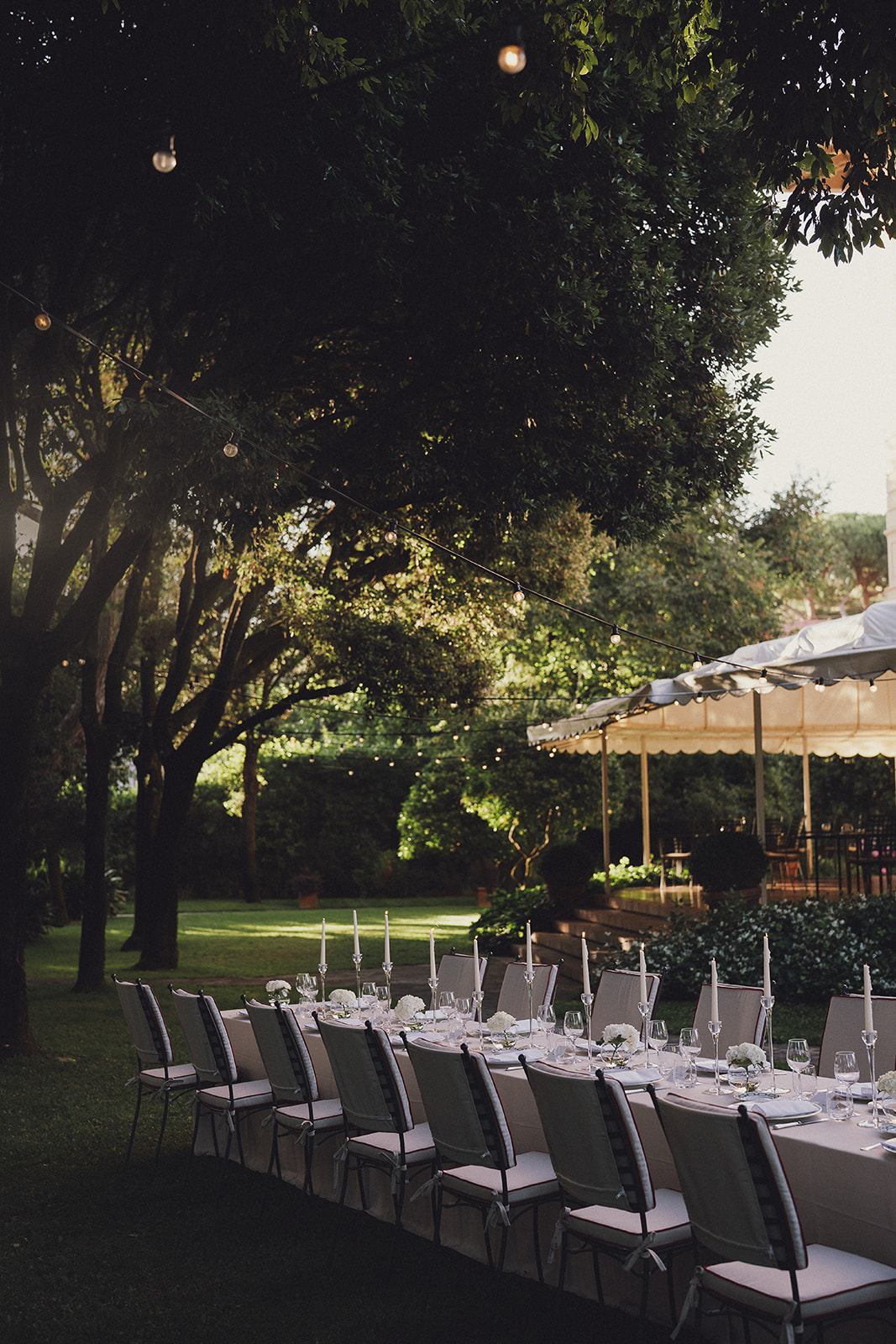
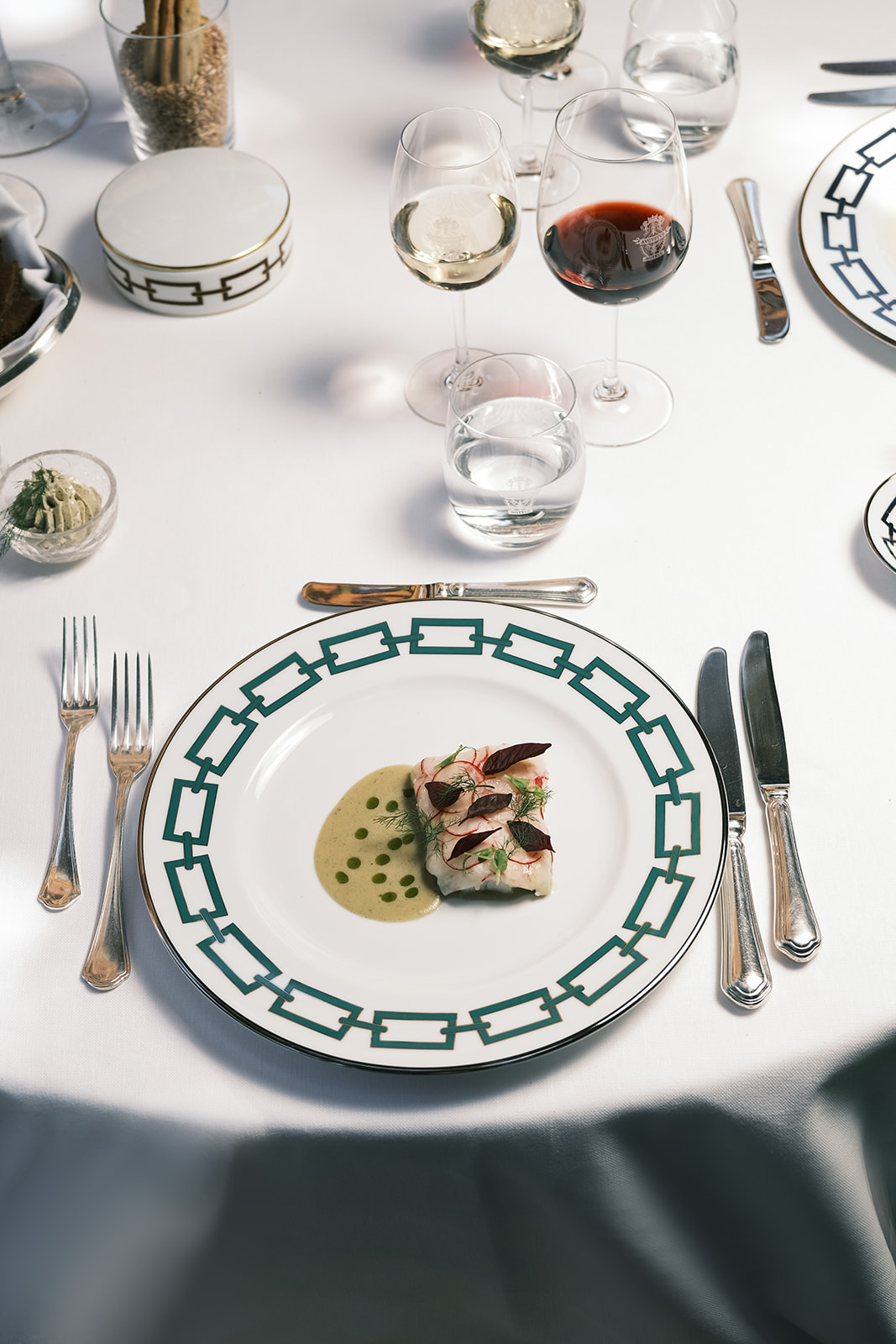
Back at the resort, the recently opened Bistrot Villa Agnelli offers dinner in the garden of the historic villa from which it takes its name. The menu, created by Executive Chef Edoardo Leoni together with Chef Riccardo Angeli, combines local flavours with contemporary cooking, making it an attractive option even if you simply want a special evening meal.
One detail I particularly like is that some of the Augustus experience is also available to visitors who are not staying at the hotel. Subject to advance booking, non-residents can enjoy breakfast in the park, spend a day at the Beach Club or reserve a table for lunch or dinner. It’s a nice option if you are staying elsewhere in Versilia but would still like to experience one of Forte dei Marmi’s best-known resorts for a few hours.
For visitors looking for a refined base from which to explore Forte dei Marmi, Pietrasanta and the wider Versilia area, the Augustus offers a combination of tranquillity, generous outdoor spaces and direct access to one of Tuscany’s most elegant stretches of coastline.
Other hotels in Forte dei Marmi worth considering
If you’re still comparing accommodation, two other highly regarded options are the Hermitage Hotel & Resort, a five-star property surrounded by gardens that’s particularly popular with families, and Villa Roma Imperiale, an elegant boutique hotel in the peaceful Roma Imperiale neighbourhood, ideal for travellers looking for a quieter and more intimate atmosphere.
If you enjoyed this post, you might also like:
Trip from Milan to Lake Como: A Relaxed (and Realistic) Way to Experience the Lake
This post was all about some of the most interesting hotels in Forte dei Marmi and why this elegant corner of Versilia remains one of the Milanese’s favourite seaside escapes.
Photo credits (apart from the photos of the hotel): Alamy and Unsplash